Technology
Purgo AI
A proof of concept for AI-generated data pipelines built out into a production SaaS platform, with Jira and GitHub integration and QA gates.

Language
Theme
Koombea builds web and mobile apps as AI Pods. We break the scope into story points and price it before work starts, so the number you approve is the number you pay.
Around 70% of software projects go over budget or miss their deadline. The reason is rarely bad engineering. It is that the number was a guess, made before anyone had read the requirements closely enough to cost them.
An hourly quote hides that. It prices effort, so every discovery becomes your cost. Scope grows, the invoice grows with it, and the change order arrives after you have already committed.
We price the scope instead. We break requirements into story points first, sizing each one on functional surface area, integration count and the test coverage needed to ship it. That is slower to start and it is the reason the number holds.
| Dimension | Hourly and time-and-materials | An AI Pod |
|---|---|---|
| What you are buying | Effort. You pay for the time spent, whatever it produces. | Delivered scope. You pay for the features you agreed to, at a price set in advance. |
| When the price is set | Provisionally at the start, then again at every change order. | Before work begins, from a scope broken into story points. |
| Who carries the estimate risk | You do. An underestimate becomes more hours on your invoice. | We do. An underestimate is our problem, which is why we scope properly first. |
| What a change costs | Unknown until it is built, then billed at full rate. | We reprice it in points and quote it before you approve it. |
| How progress is read | Hours logged, which says nothing about what works. | Points accepted every two weeks, against software you can use. |
| What you manage | A team, its capacity and its calendar. | A backlog. The Pod runs itself and reports on delivered scope. |
How it starts
Scoping is free and it is real work, not a sales call. You leave it with a document you could hand to another firm.
Step 01
What it has to do, who uses it, and what it has to connect to. If code already exists, point us at the repository. Nothing here needs a specification you have not written yet.
Step 02
Requirements go through ScopeGen AI and then through the people who would deliver them. Existing code gets a review, because estimating work on a codebase nobody has read is a guess with a decimal point on it.
Step 03
A Work Breakdown Structure written as user stories, sized in story points, with the price and the delivery date attached. You also get an honest answer on whether Staff Augmentation suits you better.
Step 04
Working software every two weeks, against the scope you approved. You have repository access throughout, and source and pipeline transfer is a gate on Phase 1 acceptance rather than a favor at the end.
Four situations account for most of what arrives. Each one changes what Phase 1 has to prove, so it changes what gets built first.
Phase 1 is a complete end-to-end loop a real user can finish, not a login screen and a design system. A loop can be tested, demoed and funded.
Multi-tenant isolation, single sign-on and audit trails built as you go. Reconstructing them after a compliance review costs more than building them.
You have a budget to defend and no costed plan. Scoping produces the Work Breakdown Structure and the number, and it stands on its own.
A build that stalled with another partner. Discovery says plainly whether a rescue or a rewrite is cheaper, before either of us commits to one.
Native iOS and Android where the experience is the product, cross platform where the requirement genuinely allows it. We settle that fork on evidence during scoping, because a team that picks cross platform for the saving and then specifies a native-feeling app pays for both.
Design, engineering, quality and infrastructure all sit inside the Pod and inside the price. There is no separate line item for the parts an app needs in order to ship, and no handoff between firms where the estimate quietly resets.
Apps built here have been acquired by Google, Motorola Solutions, Facebook and Skype.
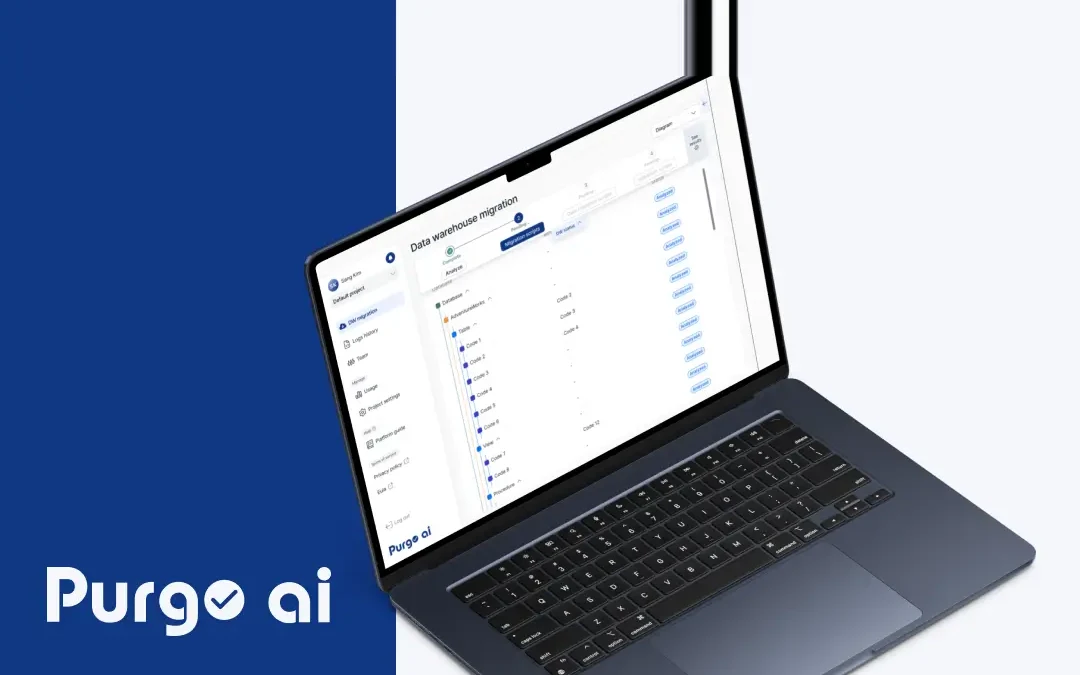
A proof of concept for AI-generated data pipelines built out into a production SaaS platform, with Jira and GitHub integration and QA gates.
In-home physical therapy taken from concept to market in three months, with EHR integration, practice management and GPS-tracked visits.
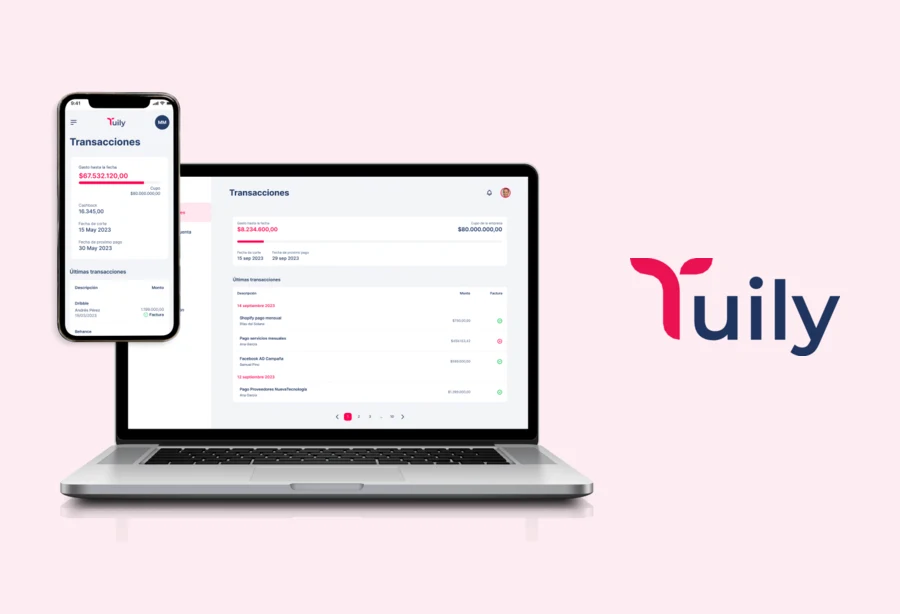
A Mastercard corporate card and spend platform for Colombian SMEs, built from idea to launch as a Koombea venture and acquired by Bold.
Onboarding a client took months of hand-coded AWS infrastructure. A multi- tenant rebuild turned a new client environment into a configuration step.
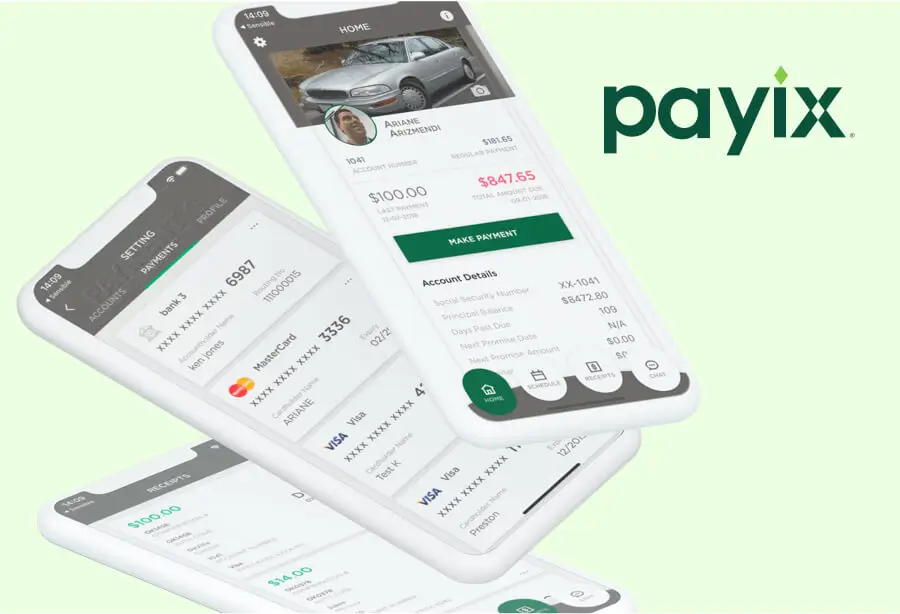
Electronic payments were 4% of revenue because the people transacting preferred cash. A UX rebuild moved daily transactions from 4,000 to 120,000.
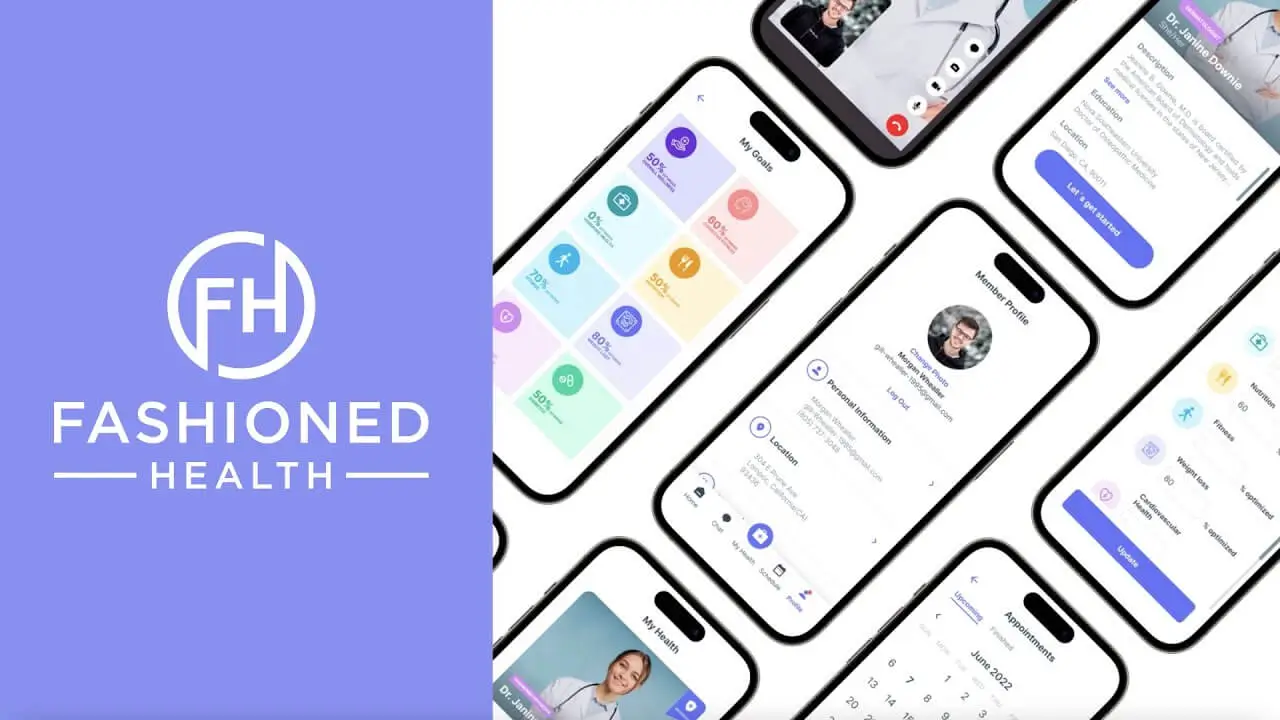
iOS and Android telehealth apps on HIPAA-compliant infrastructure, with video consultation, patient-provider messaging and test result visualisation.
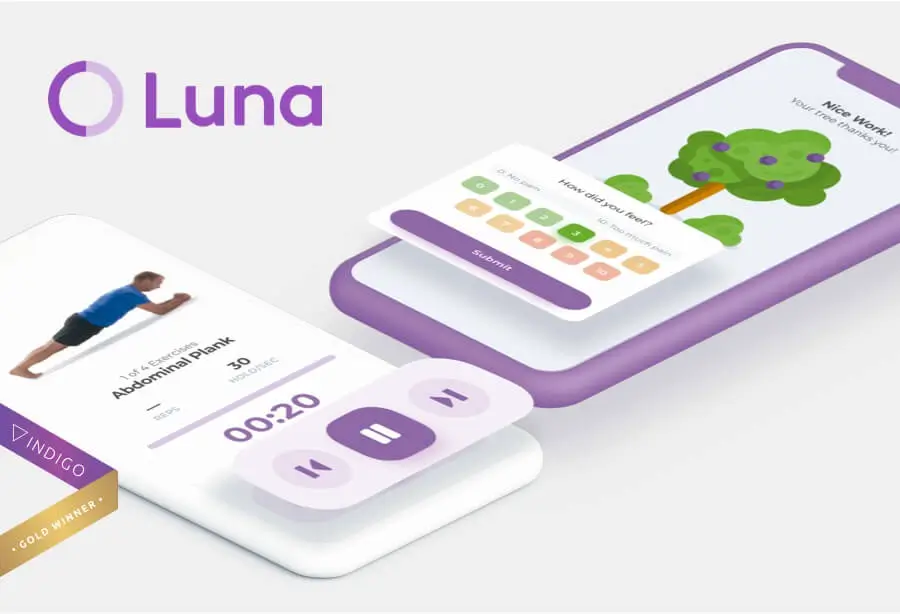
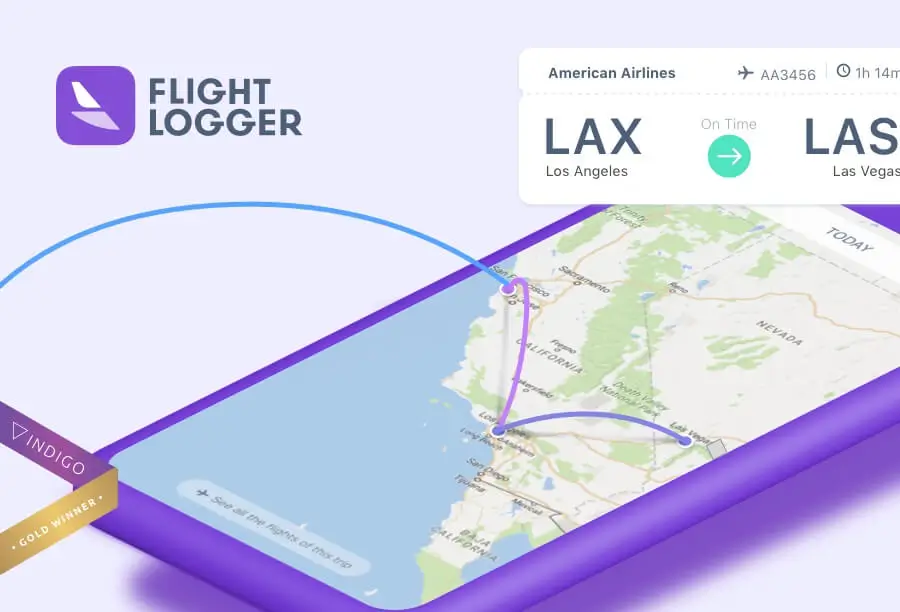
Real-time flight tracking across 1,500 airlines and 30,000 airports, on iOS, Android and Apple Watch. Gold for UX at the Indigo Awards.
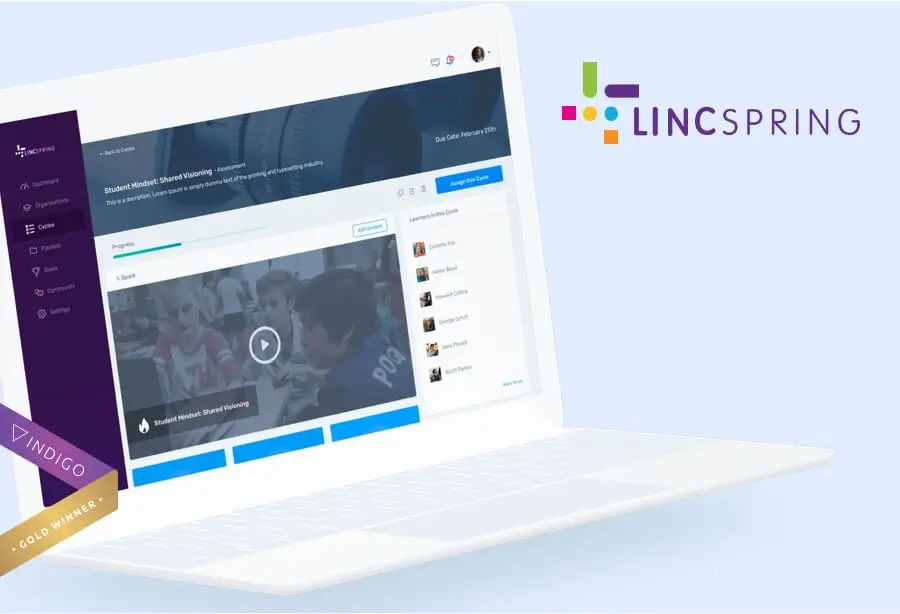
An off-the-shelf LMS left supervisors with no visibility. LINCSPRING replaced it with role-based access, G Suite integration and microcredentials.
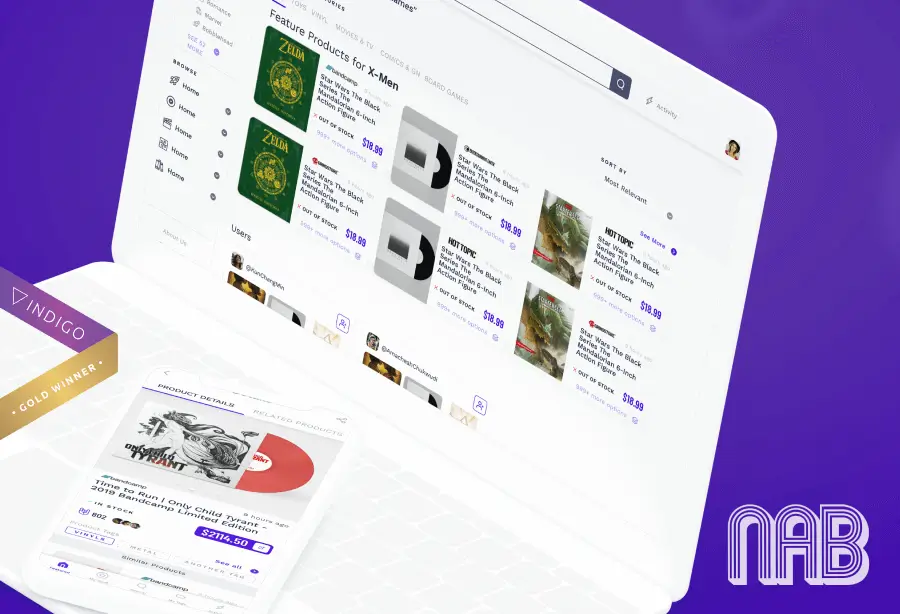
A prototype became a Progressive Web App aggregating more than 25 collectibles vendors into one community hub. Four Indigo Awards followed.
Do It Center called their own eCommerce platform a Frankenstein. Rebuilt on Shopify with POS and accounting integrated, bounce rate fell 90%.
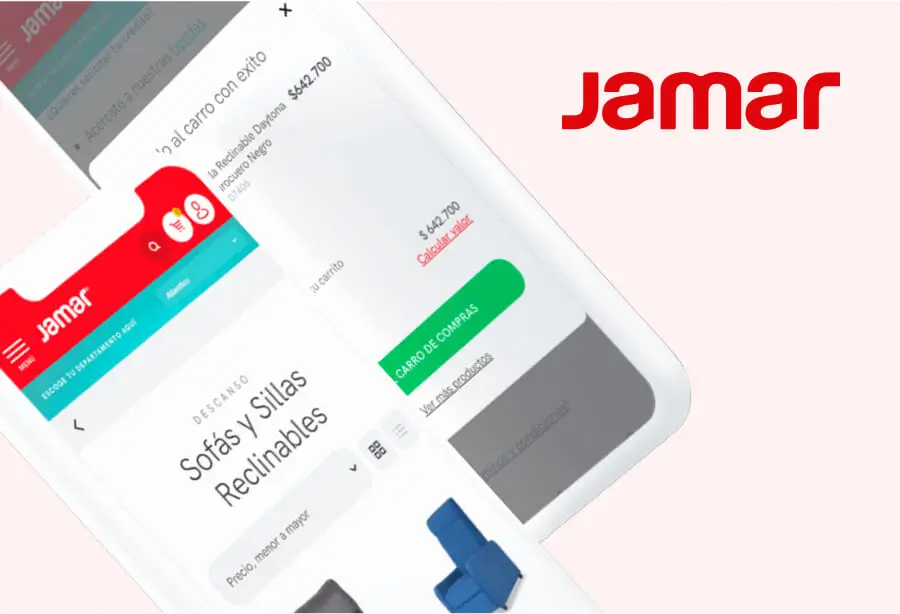
Jamar sold furniture from PDF catalogs. Now a Shopify Plus store with region- based pricing, smart search and STEP master data behind it.

The Payix team is very thankful to Koombea for stepping in and helping us move past our previous development partner. With Koombea now by our side, we're achieving our client onboarding goals and maximizing revenue opportunities.












Third-party appraisal rather than self-assessment. CMMI-DEV/3 appraised, AWS Partner, Shopify Plus Partner.











Describe the app and we will come back with the scope, the price and the date. Our working day sits inside the US Eastern business day all year, so the hours you keep are the hours we keep. Ask and you get an NDA before you tell us anything.
Not a project?
Tell us what the app has to do. You get the scope broken into story points, the price, and the delivery date, in writing, before anyone writes code.